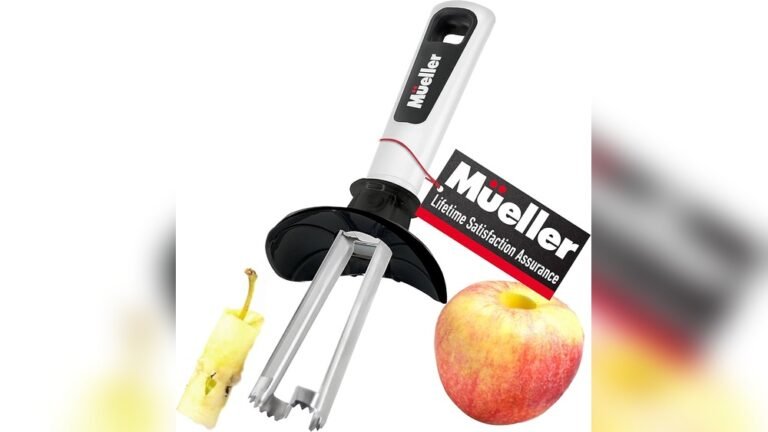
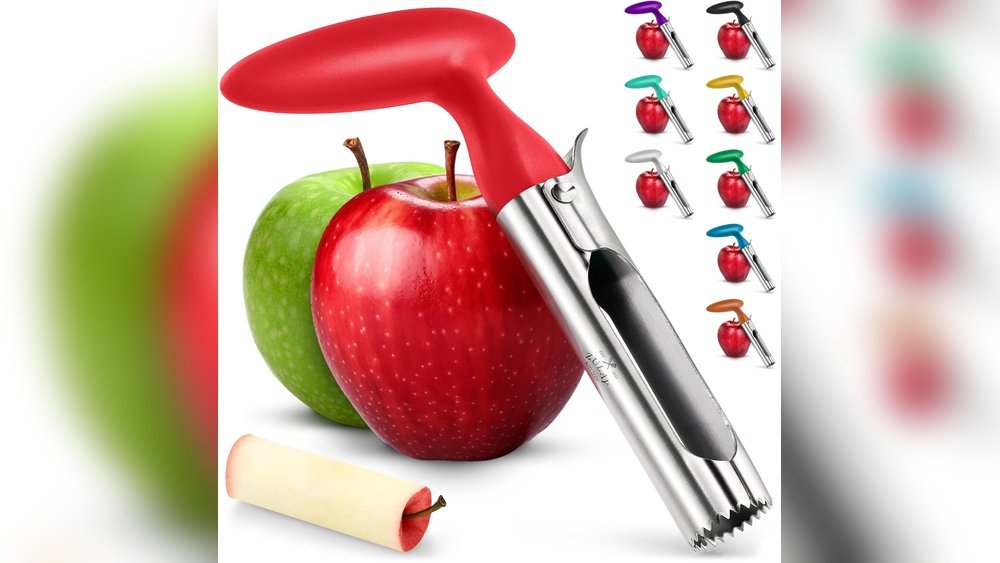
How to Clean Apple Corer for Sparkling Results
You love making fresh apple slices for snacks or recipes, but have you ever struggled with cleaning your apple corer afterward? If your corer looks messy or feels sticky after use, you’re not alone.
A clean apple corer not only lasts longer but also keeps your fruit tasting fresh and safe. You’ll discover simple, effective steps to clean your apple corer quickly and thoroughly. By the end, you’ll have a sparkling tool ready for your next apple adventure, no frustration, no hassle.
Let’s get your apple corer spotless and working like new!

Credit: www.amazon.com
Choosing The Right Apple Corer
Choosing the right apple corer makes cleaning easier and speeds up your kitchen work. A good corer fits your needs and lasts long. Consider how you want to use it and what features matter most. This section helps you decide by comparing types, materials, and design.
Manual Vs. Electric Models
Manual apple corers need you to twist or push to remove the core. They cost less and are simple to clean. Electric models work faster and need less effort. They suit large batches but take more time to clean. Choose manual for quick jobs and electric for heavy use.
Material And Durability
Stainless steel corers resist rust and last longer. Plastic corers are light and cheap but may break easily. Look for sharp blades to core apples cleanly. Durable materials mean less wear and easier cleaning. Avoid cheap materials that stain or trap food.
Size And Design Considerations
Check the size of the corer to fit your apples. Some corers work only on small apples. Look for comfortable handles for a firm grip. Designs with fewer parts are easier to clean. Simple shapes help remove apple bits fast and keep your tool fresh.
Credit: www.walmart.com
Daily Cleaning Routine
Keeping your apple corer clean every day helps it last longer and work better. A simple daily cleaning routine removes leftover fruit bits and stops rust. Follow these easy steps after every use to keep your corer in top shape.
Rinsing Immediately After Use
Rinse the apple corer under running water right after coring an apple. This removes fresh fruit pieces and juice. Avoid letting pulp dry on the corer. Quick rinsing prevents sticky residue build-up.
Using Warm Soapy Water
Fill a bowl with warm water and add mild dish soap. Soak the corer for a few minutes. Use a soft brush or cloth to clean hard-to-reach areas. Soap breaks down sugars and fruit acids that cause stains.
Drying Techniques To Prevent Rust
After washing, dry the apple corer completely with a clean towel. Do not leave it wet or damp. Air dry in a well-ventilated place to avoid moisture. Proper drying stops rust and keeps the metal sharp.
Deep Cleaning Techniques
Deep cleaning an apple corer keeps it safe and ready for use. Over time, apple juice and pulp can build up in tight spaces. This buildup can cause bad smells and affect the tool’s performance. Using deep cleaning methods removes hidden dirt and bacteria. These steps are simple and use items found at home. Follow these techniques to make your apple corer spotless and last longer.
Soaking In Vinegar And Baking Soda Solution
Start by mixing equal parts of white vinegar and water in a bowl. Add one tablespoon of baking soda to the mix. Place the apple corer in the solution and let it soak for 20 to 30 minutes. This combo breaks down sticky residues and kills germs. After soaking, rinse the corer under warm water. The vinegar’s acidity helps to loosen tough stains and buildup inside the tool.
Scrubbing With A Toothbrush
Use a soft toothbrush to scrub the apple corer gently. Focus on the sharp edges and inner parts where pulp may hide. The toothbrush reaches small spaces better than a sponge. Dip the brush in soapy water before scrubbing for easier cleaning. Rinse the corer again under running water to wash away loosened dirt. Repeat scrubbing if needed to remove all food particles.
Removing Stubborn Residue
For tough, dried-on residue, use a toothpick or cotton swab carefully. Scrape gently to avoid damaging the corer’s blades. Another method is to soak the corer in hot water with a few drops of dish soap. Let it sit for 10 minutes to soften hardened bits. After soaking, scrub again with a toothbrush. This removes the last traces of residue, keeping the corer clean and safe.
Disassembling For Thorough Cleaning
Disassembling your apple corer is key to keeping it clean and safe to use. Dirt and fruit bits can get trapped inside small parts. Taking it apart helps remove hidden residue. This process also protects the tool’s sharp blades. Clean parts work better and last longer. Follow simple steps for careful disassembly and reassembly.
Identifying Removable Parts
First, check your apple corer for parts that come off. Most models have a core tube, handle, and blade ring. Some also include washers or screws. Look closely for joints or screws that loosen. Use a small screwdriver if needed. Keep all parts together to avoid losing them. Knowing which parts detach allows deep cleaning.
Safe Handling Of Blades
Blades on apple corers are sharp and require caution. Always hold blades by the dull side. Avoid touching the cutting edge directly. Use a cloth or gloves for extra protection. Clean blades with a brush and warm soapy water. Never soak blades for too long to prevent rust. Dry blades immediately to keep them sharp and safe.
Reassembling Tips
After cleaning, dry each part completely. Align parts carefully before fitting them back. Tighten screws without forcing them to avoid damage. Check that blades are secure and do not wobble. Test the corer on a soft apple to ensure it works well. Proper reassembly extends your tool’s life and keeps it safe to use.
Maintaining Sharpness
Keeping your apple corer sharp is key for smooth and easy coring. A sharp corer cuts through apples effortlessly. It saves time and reduces fruit waste. Dull blades make coring harder and can crush the apple. Regular maintenance keeps your tool in top shape. Follow these simple steps to maintain sharpness.
When To Sharpen Your Corer
Check the blade if coring feels tough or uneven. Notice if the corer slips or squashes the apple. These signs mean the blade needs sharpening. Sharpen before the blade becomes too dull to use. Regular use may require sharpening every few months. Sharp blades give cleaner cuts and better results.
Using A Flat File Or Sharpening Stone
Choose a fine flat file or sharpening stone for best results. Hold the corer firmly and run the file along the blade edges. Keep the angle steady, about 20 degrees, for a sharp edge. Move the file in one direction, not back and forth. Repeat several times until the blade feels sharper. Clean the corer after sharpening to remove metal dust.
Safety Precautions During Sharpening
Always handle the corer with care during sharpening. Wear protective gloves to avoid cuts. Work on a stable surface to prevent slips. Keep your fingers away from the blade edge. Store the corer safely after sharpening. Proper safety keeps your hands injury-free and the tool ready to use.
Avoiding Common Mistakes
Cleaning your apple corer properly keeps it sharp and safe for use. Avoid common mistakes that can damage your tool or reduce its lifespan. Follow simple tips to maintain its quality and hygiene.
Using Abrasive Cleaners
Avoid abrasive cleaners on your apple corer. These can scratch or dull the metal surface. Use mild dish soap and a soft sponge instead. Gentle cleaning keeps the corer sharp and rust-free.
Leaving Corer Wet For Long Periods
Do not leave your apple corer wet after washing. Water left on the tool can cause rust and corrosion. Dry it thoroughly with a clean towel. Store it only when completely dry to prevent damage.
Improper Storage Practices
Store your apple corer in a dry, safe place. Avoid tossing it in a drawer with heavy utensils. This can bend or dull the blade. Use a protective cover or dedicated compartment to keep it safe and clean.
Storage And Longevity Tips
Proper storage and maintenance extend the life of your apple corer. Keeping it in good condition saves money and effort. Follow simple steps to protect your tool from damage and rust. Regular care ensures it works well every time you use it.
Storing In A Dry Place
Always store your apple corer in a dry area. Moisture causes rust and weakens metal parts. Avoid leaving it in damp drawers or near the sink. Use a kitchen cabinet or a dry shelf for storage. Dry storage keeps the tool sharp and clean longer.
Protecting The Blades
Sharp blades make coring easier and safer. Cover the blades after cleaning to avoid damage. Use a blade guard or wrap the corer in a soft cloth. Keep it separate from other utensils that can dull the blades. Careful handling stops the blades from bending or breaking.
Regular Inspection For Wear And Tear
Check your apple corer regularly for signs of damage. Look for rust spots, loose handles, or dull blades. Fix small problems early to avoid bigger repairs. Replace the corer if it becomes unsafe or ineffective. Regular checks keep your tool ready for use.

Credit: www.walmart.com
Frequently Asked Questions
Do You Wash Apples In Vinegar Or Baking Soda?
Wash apples with water and a small amount of baking soda to effectively remove pesticides. Vinegar can alter taste and is less effective. Rinse thoroughly after washing.
How To Sharpen An Apple Corer?
Use a fine metal file or sharpening stone to carefully hone the apple corer’s blade edges. Maintain consistent angle and pressure. Test sharpness on a soft apple. Clean and dry the corer after sharpening to prevent rust. Repeat as needed for optimal performance.
What Do You Use To Remove The Core Of An Apple?
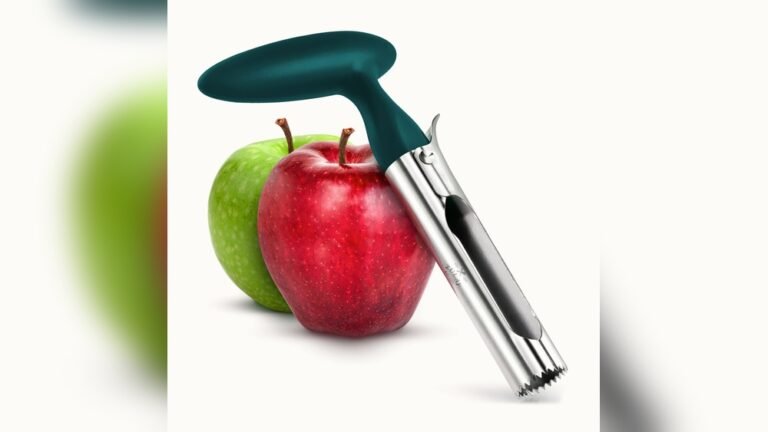
Use an apple corer tool by placing it over the stem, pressing firmly, twisting, then pulling to remove the core.
How To Clean Apple Fiber Cloth?
Hand-wash apple fiber cloth with mild dish soap and lukewarm water. Rinse thoroughly and air dry flat. Avoid harsh detergents or heat.
Conclusion
Cleaning your apple corer is quick and simple with these tips. Regular washing stops fruit bits from sticking and keeps the tool safe to use. Use warm water and soap to remove sticky residue easily. For tough spots, a soft brush works best.
Dry the corer well to avoid rust or damage. Clean tools make apple prep faster and more pleasant. Keep your corer in good shape with these easy steps every time. Enjoy fresh, clean apples with less hassle in your kitchen.

Hi, I’m Emma Carter, a passionate home cook with over 12 years of hands-on experience in home kitchens. I love testing kitchen tools, trying new recipes, and helping everyday cooks make smarter buying decisions. Every review and guide I write is based on real cooking experience, practical testing, and honest opinions, not marketing claims.