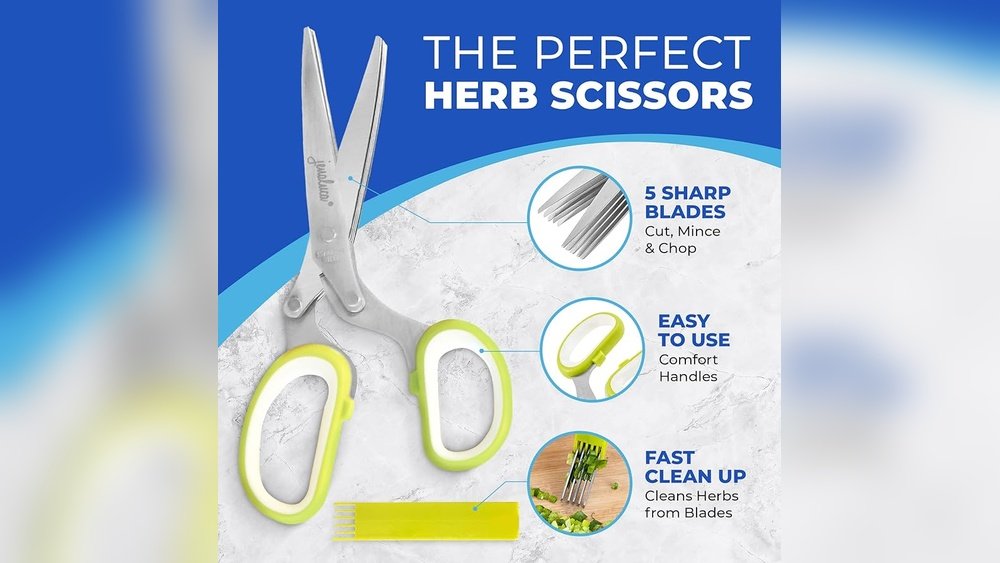
How to Use Herb Scissors for Fast Clean and Precise Herb Preparation
If you love cooking with fresh herbs, you know how tricky it can be to chop them quickly and evenly without bruising their delicate leaves. That’s where herb scissors come in—a simple tool that can save you time and make your kitchen prep a breeze.
But do you really know how to get the most out of your herb scissors? In this usage guide, you’ll discover easy tips and tricks to snip herbs perfectly every time. Whether you’re garnishing a salad or adding flavor to your favorite dish, these scissors will become your new best friend.
Ready to make herb chopping faster and neater? Keep reading and transform the way you cook!
Choosing Herb Scissors
Choosing the right herb scissors makes herb preparation simple and efficient. The perfect pair helps you cut herbs quickly without bruising. It also offers comfort and lasts long. Consider the blade type, the number of blades, and the material for best results.
Blade Types
Herb scissors come with different blade types. Some blades are sharp and thin, ideal for delicate herbs. Others are thicker and more robust, good for tougher stems. Sharp blades give clean cuts, preserving the herb’s flavor and texture.
Multi-blade Vs Single-blade
Multi-blade scissors have several blades to cut herbs into thin strips fast. They are great for chopping large amounts of herbs like chives or parsley. Single-blade scissors work like regular scissors. They are best for small herbs or precise cutting tasks.
Material And Durability
Herb scissors made from stainless steel resist rust and stay sharp longer. Some have plastic handles for a comfortable grip. Metal handles are sturdy but may feel cold or heavy. Choose a pair that feels good in your hand and can handle daily use.

Credit: kyokuknives.com
Preparing Herbs For Cutting
Preparing herbs for cutting ensures clean, fresh results with herb scissors. Proper preparation makes cutting easier and preserves flavor. Follow simple steps to get herbs ready for a perfect chop.
Washing And Drying
Rinse herbs under cold water to remove dirt and debris. Use your hands gently to avoid bruising leaves. After washing, pat herbs dry with a clean towel or use a salad spinner. Dry herbs cut better and stay fresh longer.
Selecting Herb Types
Choose herbs with fresh, vibrant leaves for best results. Soft herbs like basil, parsley, and cilantro work well with herb scissors. Hardier herbs like rosemary or thyme may need a sharper blade or single cuts. Avoid wilted or yellowing herbs to keep flavors strong.
Removing Stems
Remove thick stems before cutting to avoid tough, woody pieces. Pinch or cut stems close to the leaf cluster. Thin, tender stems can be cut along with leaves for flavor. Removing unwanted stems helps create a smooth, even chop.
Cutting Techniques
Cutting techniques with herb scissors make herb preparation quick and precise. These scissors feature multiple blades that allow you to cut herbs evenly and effortlessly. Using the right method improves the texture and appearance of your herbs. It also helps preserve their flavor and aroma.
Basic Snipping
Hold the herb scissors steady and place the herbs between the blades. Use a gentle, repeated snipping motion to cut the herbs into small pieces. Avoid pressing too hard to keep the herbs fresh and not bruised. Basic snipping works well for most herbs like parsley and cilantro.
Creating Fine Strips
To create fine strips, line up the herb stems neatly. Use the herb scissors to make long, thin cuts along the leaves. This technique is ideal for herbs like chives or basil. Fine strips add a delicate texture and look great as a garnish or in salads.
Cutting Directly Over Dishes
One great feature of herb scissors is cutting herbs directly over dishes. Hold the scissors just above your plate or bowl. Snip the herbs into the dish for fresh flavor and a beautiful presentation. This method saves time and reduces extra cleanup.
Maintaining Herb Scissors
Maintaining herb scissors ensures they stay sharp and efficient for every use. Proper care extends their lifespan and keeps them cutting cleanly. Follow simple steps to keep your herb scissors in top condition. This guide covers cleaning, sharpening, and storage tips.
Cleaning Tips
Wash herb scissors after each use to remove herb residue. Use warm water and mild soap for cleaning. Dry them thoroughly with a soft cloth to prevent rust. Avoid soaking scissors for long periods. Clean blades carefully to avoid dulling the edges.
Sharpening Blades
Sharpen blades regularly to maintain cutting precision. Use a sharpening stone or a specialized scissor sharpener. Hold blades at the correct angle for best results. Sharpen each blade slowly and evenly. Test scissors on a herb stem to check sharpness.
Proper Storage
Store herb scissors in a dry place to avoid moisture damage. Use a blade cover or sheath for safety. Keep scissors away from other kitchen tools to prevent dulling. Hang them or place in a drawer organizer for easy access. Proper storage keeps blades aligned and ready to use.
Creative Uses
Herb scissors are not just for cutting herbs quickly. They offer many creative ways to use fresh herbs in your cooking. These scissors help you add texture, flavor, and beauty to dishes with ease. Small tasks become faster and more enjoyable. Below are some creative uses for herb scissors that you can try in your kitchen.
Garnishing Meals
Use herb scissors to create fine, even cuts for garnishing. Sprinkle fresh herbs like parsley or chives on soups and salads. The small, neat pieces look professional and inviting. They add color and a burst of fresh flavor to any meal. Herb scissors make garnishing quick and mess-free.
Chopping For Salads
Chop herbs directly over your salad with herb scissors. The multiple blades cut herbs evenly and quickly. This keeps herbs fresh and bright without bruising. Herbs like basil, mint, or cilantro add a fresh taste to salads. Using scissors saves time and keeps your herbs clean and ready to eat.
Herbs In Baking
Herb scissors can finely chop herbs for baking recipes. Add chopped rosemary or thyme to bread dough or biscuits. The scissors allow small, consistent pieces to mix well in batter. Fresh herbs improve the aroma and flavor of baked goods. This simple tool makes adding herbs to baking easy and precise.
Troubleshooting Common Issues
Herb scissors make cutting fresh herbs fast and easy. Still, some common issues can slow you down. Knowing how to fix these problems keeps your herbs looking fresh and your scissors working well. This troubleshooting guide helps you handle the most frequent herb scissors problems.
Dealing With Sticky Herbs
Sticky herbs like basil or cilantro can clog the blades. This makes cutting harder and less precise. Clean the scissors after each use. Use warm, soapy water and a soft brush to remove sticky residue. Dry the blades fully to stop rust. Avoid letting herb bits sit on the scissors for too long.
Avoiding Bruising
Bruised herbs lose flavor and look less fresh. To avoid bruising, use a gentle cutting motion. Do not press too hard or crush the herbs. Keep your scissors sharp to make clean cuts. Dull blades tear leaves and cause damage. Cut herbs just before use for the best taste and appearance.
Blade Alignment Fixes
Misaligned blades reduce cutting accuracy and can pinch herbs. Check blade alignment regularly by closing the scissors slowly. If blades do not meet evenly, tighten the central screw slightly. Use a small screwdriver for adjustments. Avoid over-tightening, which can make scissors hard to open. Proper blade alignment ensures smooth, clean cuts every time.
Safety Tips
Safety is important when using herb scissors. Sharp blades can cause cuts if handled carelessly. Follow these safety tips to use your herb scissors without risk. Proper care extends the tool’s life and keeps you safe.
Handling Blades Carefully
Always hold the scissors by the handles. Avoid touching the blades directly. Use slow, steady movements when cutting herbs. Keep your fingers away from the cutting area. Do not force the scissors to cut thick stems. Clean blades after each use to prevent rust and stickiness. Dry the scissors well before storing them.
Safe Storage Practices
Store herb scissors in a closed position. Use a blade cover if available. Keep scissors out of reach of children. Place them in a kitchen drawer or utensil holder. Avoid leaving scissors loose on countertops. Regularly check blades for damage or dullness. Replace or sharpen blades to maintain safety and efficiency.

Credit: www.amazon.com

Credit: www.americastestkitchen.com
Frequently Asked Questions
What Can You Use Herb Scissors For?
Herb scissors quickly cut fresh herbs into fine strips for cooking and garnishing. They save time and prevent bruising. Use them for chives, parsley, cilantro, and other delicate herbs.
Are Herb Cutting Scissors Worth It?
Herb cutting scissors save time by quickly chopping herbs into fine pieces. They prevent bruising and maintain freshness, making them a useful kitchen tool.
How To Harvest Herbs Do You Use Scissors?
Yes, use sharp kitchen or herb scissors to harvest herbs. Cut stems cleanly, about 1-2 inches above the base. This promotes healthy regrowth. Avoid tearing leaves to keep herbs fresh and flavorful. Multi-blade herb scissors help quickly chop herbs for cooking or garnishing.
What Are The Ridges On Kitchen Scissors For?
The ridges on kitchen scissors grip slippery foods, preventing them from sliding while cutting. They improve control and safety.
Conclusion
Herb scissors make cutting fresh herbs simple and fast. Use them to chop herbs directly over your dishes. Clean the blades after each use to keep them sharp. Store scissors safely to avoid damage or injury. Enjoy fresh herbs in your cooking with less effort.
These tools help save time and add flavor easily. Try them and see how they improve your kitchen routine. Keep practicing to cut herbs neatly every time. Herb scissors are a handy kitchen tool for all cooks.

Hi, I’m Emma Carter, a passionate home cook with over 12 years of hands-on experience in home kitchens. I love testing kitchen tools, trying new recipes, and helping everyday cooks make smarter buying decisions. Every review and guide I write is based on real cooking experience, practical testing, and honest opinions, not marketing claims.