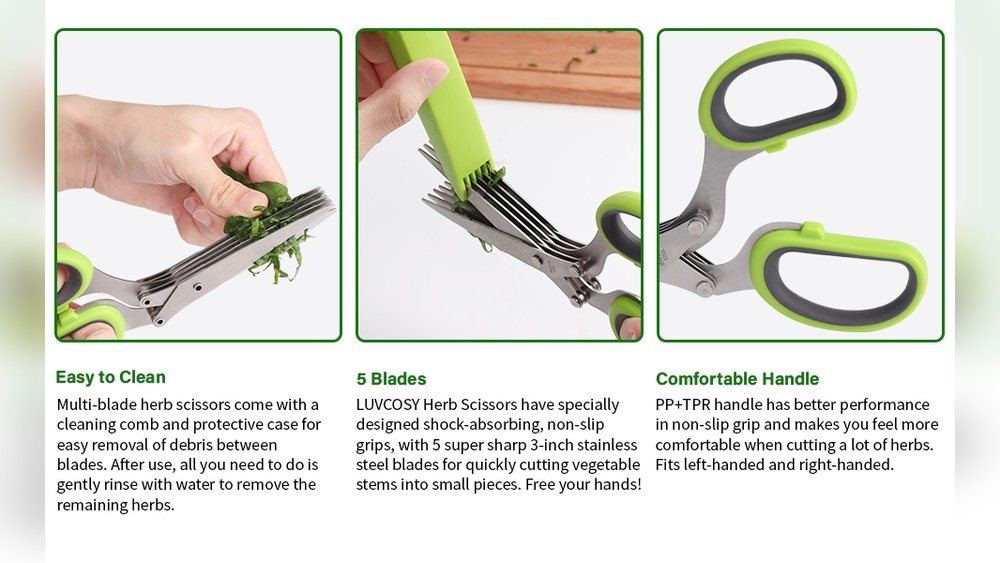
Clean Herb Scissors Fast Simple Steps for Fresh Hygienic and Sharp Blades
You love using your herb scissors to quickly chop fresh herbs, but have you ever stopped to think about how clean they really are? If your scissors are sticky, dull, or clogged with plant residue, they won’t work as well—and that can make your cooking less enjoyable.
Keeping your herb scissors clean is easier than you think, and it will make every snip smooth and precise. In this guide, you’ll learn simple, effective steps to clean your herb scissors so they stay sharp, hygienic, and ready for your next kitchen adventure.
Ready to get your scissors in top shape? Let’s dive in!
Tools Needed
Cleaning herb scissors requires the right tools to keep them sharp and hygienic. Using proper supplies helps remove residue and prevents rust. Gather everything before you start to make the process smooth and effective.
Essential Cleaning Supplies
- Warm water for rinsing dirt and plant residue
- Mild dish soap to break down sticky sap
- Soft cloth or sponge for gentle scrubbing
- Old toothbrush to clean hard-to-reach areas
- Paper towels or dry cloth to dry scissors completely
- Rubbing alcohol to disinfect and remove germs
- Small bowl or container to soak blades if needed
Optional Sharpening Materials
- Sharpening stone or whetstone to maintain blade edge
- Fine-grit sandpaper for smoothing minor nicks
- Scissor sharpener tool designed for small blades
- Lubricating oil to keep blades moving smoothly
- Protective gloves for safety during sharpening
Pre-cleaning Steps
Proper cleaning of herb scissors starts with a few important pre-cleaning steps. These steps help remove dirt and residue, making the final cleaning easier and more effective. Taking time to prepare your scissors also protects their blades and extends their life.
Disassembling Herb Scissors
First, carefully take apart your herb scissors. Most herb scissors come with screws that hold the blades together. Use a small screwdriver to loosen these screws. Separate the blades and handles gently. Disassembling allows you to clean all parts thoroughly, especially the areas between blades. Keep the screws safe so you can reassemble later.
Removing Loose Debris
After disassembling, remove any loose debris from the blades and handles. Use your fingers or a soft brush to brush off small leaves and plant bits. Avoid using sharp tools that might scratch the blades. Removing debris prevents buildup and helps the scissors cut better. This step also prepares the scissors for washing and disinfecting.
Cleaning Techniques
Proper cleaning techniques keep herb scissors sharp and hygienic. Dirt and sticky residue can build up between the blades. Regular cleaning helps maintain smooth cutting and prevents rust. Use simple household items to clean your herb scissors effectively.
Soaking In Vinegar Solution
Fill a container with equal parts water and white vinegar. Submerge the blades of your herb scissors in the solution. Let them soak for 15 to 30 minutes. Vinegar helps dissolve sap and mineral buildup. Remove the scissors and rinse thoroughly with clean water. Dry with a soft cloth to prevent rust.
Scrubbing With A Toothbrush
Use a soft toothbrush to clean hard-to-reach areas. Focus on the spaces between the blades and around the pivot. Dip the brush in warm, soapy water for better cleaning. Gently scrub to remove sticky residue and dirt. Rinse the scissors under running water after scrubbing. Dry completely before storing.
Wiping With Rubbing Alcohol
Apply rubbing alcohol to a clean cloth or cotton ball. Wipe down each blade carefully to disinfect and remove oils. Alcohol evaporates quickly and leaves no residue. This step helps kill bacteria and prevents plant disease transfer. Allow the scissors to air dry before use or storage.

Credit: www.norpro.com
Drying And Preventing Rust
Proper drying and rust prevention extend the life of herb scissors. Moisture left on blades causes rust quickly. Rust damages sharpness and reduces tool efficiency. Taking time to dry and protect your scissors keeps them ready for use.
Thorough Drying Methods
After cleaning, wipe the scissors with a dry cloth. Use a soft towel to reach between blades and joints. Air dry the scissors in a warm, dry place for a few hours. Avoid putting scissors away while damp. This stops rust from forming on the metal.
Applying Protective Oil
Lightly coat the blades and pivot with a thin layer of oil. Use food-safe oils like mineral oil for kitchen tools. The oil creates a barrier that blocks moisture and air. Regular oiling prevents rust and keeps blades moving smoothly. Wipe off any extra oil to avoid sticky residue.
Sharpening The Blades
Keeping your herb scissors sharp is key for clean cuts and healthy herbs. Dull blades tear leaves instead of slicing them. Regular sharpening restores their cutting edge and extends their life. Here’s how to sharpen the blades effectively.
Using A Sharpening Stone
A sharpening stone is the best tool for herb scissors. Start by cleaning the blades to remove dirt and sap. Hold the stone at a 20-degree angle to the blade edge. Gently slide the blade across the stone from base to tip. Repeat this motion about 10 times on each blade.
Use light pressure to avoid damaging the blades. After sharpening, wipe the blades clean with a cloth. Test the scissors by cutting a fresh herb stem. They should cut smoothly without crushing the leaves.
Alternative Diy Sharpening Tricks
Household items can also sharpen herb scissors. Aluminum foil works well. Fold a sheet several times and cut through it with your scissors. This helps realign the blades and sharpens edges slightly.
Another trick is using sandpaper with fine grit. Cut through a piece of sandpaper multiple times. This removes small nicks and sharpens the blades gently. Always clean scissors after using these methods.

Credit: www.amazon.com
Maintaining Smooth Movement
Keeping your herb scissors moving smoothly makes cutting herbs easier and more precise. Smooth movement reduces hand strain and prevents damage to the blades. Regular care ensures your scissors stay sharp and last longer. Follow these steps to maintain the hinge and screw tension.
Oiling The Hinge
Apply a few drops of light machine oil to the hinge. Use sewing machine oil or any light lubricant. Open and close the scissors several times to spread the oil evenly. Wipe off any extra oil to avoid attracting dust. Repeat this process every few months for best results.
Adjusting The Screw Tension
Check the screw that holds the blades together. If the scissors feel too loose or tight, adjust the screw carefully. Turn it clockwise to tighten or counterclockwise to loosen. The blades should move freely without wobbling. Proper tension prevents uneven cuts and blade damage.
Regular Care Tips
Regular care keeps your herb scissors sharp and ready. Clean scissors cut herbs cleanly without crushing them. Follow simple steps to maintain their quality. Regular care also stops rust and sticky residue buildup. Take a few minutes to clean and store properly after use. This extends the life of your scissors and improves performance.
Cleaning Frequency
Clean your herb scissors after every use. Fresh herbs leave sticky sap on the blades. Sap can cause blades to stick or rust. Wipe blades with a damp cloth to remove residue. For thorough cleaning, wash with warm, soapy water. Dry the scissors completely before storing. Frequent cleaning prevents buildup and keeps blades sharp longer.
Proper Storage Practices
Store herb scissors in a dry place. Moisture causes rust and dulls blades quickly. Use a protective sheath or case if available. Avoid tossing scissors in a drawer with other tools. Keep blades closed to protect edges and fingers. Store in a spot away from humidity and dirt. Proper storage saves you time on cleaning and repairs.
Troubleshooting Common Issues
Troubleshooting common issues with herb scissors keeps them in top shape. Regular use can cause sticky residue, rust spots, or loose blades. Fixing these problems early extends the life of your scissors. Simple steps can restore their sharpness and smooth operation.
Removing Sticky Residue
Sticky residue often comes from sap or herb oils. Start by wiping the blades with a cloth soaked in warm, soapy water. For tougher residue, use rubbing alcohol on a cotton ball. Rub gently to avoid damaging the blades. Rinse with water and dry thoroughly to prevent rust.
Fixing Rust Spots
Rust forms when moisture stays on the blades too long. Use fine steel wool or a rust eraser to scrub small rust spots gently. Wipe away any particles with a clean cloth. Apply a thin layer of oil on the blades to protect them. Store scissors in a dry place to avoid future rust.
Dealing With Loose Blades
Loose blades can affect cutting performance. Check the screw or bolt holding the blades together. Use a screwdriver to tighten it carefully. Avoid over-tightening, which can make blades hard to move. If the screw is damaged, replace it with a similar size to restore stability.

Credit: www.norpro.com
Frequently Asked Questions
How To Clean Florist Scissors From Home?
Wipe florist scissors with a damp cloth to remove sap and dirt. Soak in warm, soapy water for minutes. Scrub blades gently with a soft brush. Rinse with clean water, dry thoroughly, and apply a drop of oil to the hinge.
Store in a dry place.
Will Soaking Scissors In Vinegar Sharpen Them?
Soaking scissors in vinegar can help remove rust but does not sharpen blades. Sharpen scissors using a proper sharpening tool instead.
Does Rubbing Alcohol Disinfect Scissors?
Yes, rubbing alcohol effectively disinfects scissors by killing most bacteria and viruses. Apply it with a cotton ball and let it air dry for best results.
How To Clean Plant Scissors?
Wipe plant scissors with a damp cloth to remove sap and dirt. Use soapy water for stubborn residue. Dry thoroughly. Apply a drop of oil to the hinge to keep blades smooth. Clean regularly to prevent rust and maintain sharpness.
Conclusion
Cleaning herb scissors regularly keeps them sharp and easy to use. Remove stuck herbs and rinse with warm water. Use a brush to clean between the blades carefully. Dry the scissors well to prevent rust. Apply a small drop of oil to the pivot for smooth cutting.
Regular care extends the life of your scissors. Clean scissors make your herb preparation faster and neater. Simple steps lead to better results in your kitchen. Keep your herb scissors ready for every cooking task.

Hi, I’m Emma Carter, a passionate home cook with over 12 years of hands-on experience in home kitchens. I love testing kitchen tools, trying new recipes, and helping everyday cooks make smarter buying decisions. Every review and guide I write is based on real cooking experience, practical testing, and honest opinions, not marketing claims.