What Are Sponges Made Of? Discover Their Composition Today
Have you ever wondered what your everyday sponge is actually made of? Whether you’re scrubbing dishes or wiping down surfaces, the materials inside that little tool can make a big difference in how well it works, and how it impacts the environment.
You might be surprised to learn that sponges come from a variety of sources, ranging from natural sea fibers to synthetic plastics. Understanding what sponges are made of not only helps you choose the right one for your needs but also lets you make smarter, eco-friendly decisions for your home.
Keep reading to uncover the fascinating mix of materials behind sponges and find out which type is best for you.

Credit: www.ipm.org
Natural Sea Sponges
Natural sea sponges have been used for centuries, prized for their softness, durability, and eco-friendliness. Unlike synthetic sponges made from plastic, these sponges come directly from the ocean, offering a unique and natural alternative. Understanding what they are made of helps you appreciate their benefits and how to choose the right sponge for your needs.
Composition And Structure
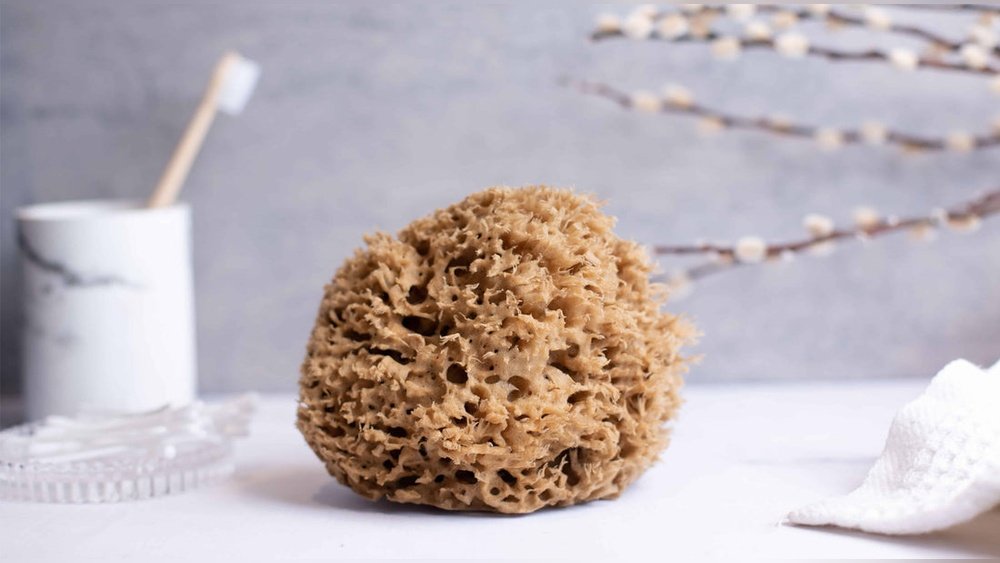
Natural sea sponges are made up of a network of tiny, interconnected fibers called spongin, a type of collagen protein. This fibrous skeleton gives the sponge its soft yet sturdy texture, perfect for gentle scrubbing. Within these fibers, small pores and channels allow water to flow through, which is how the sponge filters nutrients when it’s alive.
The structure is both flexible and resilient, meaning it can absorb a lot of water and hold soap well without falling apart. If you have ever held one, you’ll notice how lightweight it feels despite its strength. This natural design is hard to replicate in synthetic sponges, which tend to degrade faster.
Regeneration And Sustainability
One of the most fascinating aspects of natural sea sponges is their ability to regenerate. When harvested carefully, the sponge can regrow, making them a renewable resource. This regeneration means that sustainable harvesting methods can support sponge populations without harming the ocean ecosystem.
Choosing natural sea sponges supports sustainability because they biodegrade naturally after use. Unlike plastic sponges that contribute to pollution, sea sponges break down harmlessly in the environment. Have you thought about how your sponge choice impacts the planet?
Harvesting Practices
Harvesting natural sea sponges requires skill and respect for marine life. Divers usually cut the sponge’s base, leaving part of it attached to the ocean floor so it can regrow. This method contrasts sharply with uprooting, which damages the sponge and the surrounding habitat.
Ethical harvesting also involves monitoring sponge populations to avoid overharvesting. Some regions have strict regulations to protect these valuable marine resources. When buying a natural sponge, look for suppliers who follow these responsible practices—you’re supporting ocean health and a sustainable industry.
Synthetic Sponge Materials
Synthetic sponges are common in households and industries. They are made from man-made materials. These materials give sponges durability and flexibility. Each type has unique features for cleaning tasks. Understanding these materials helps choose the right sponge.
Polyurethane Foam
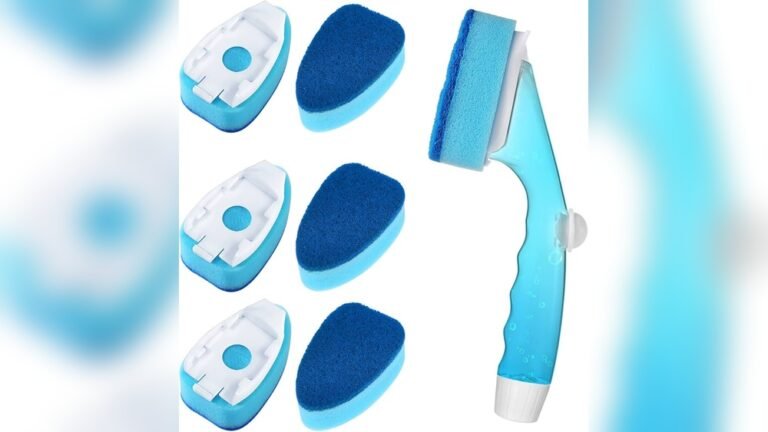
Polyurethane foam is the most common synthetic sponge material. It is soft and flexible. This foam absorbs water well, making it ideal for cleaning surfaces. Polyurethane sponges dry quickly and resist wear. They are often used in kitchens and bathrooms.
Cellulose Sponges
Cellulose sponges are made from wood fibers. They are biodegradable and eco-friendly. These sponges hold water better than many synthetic types. Cellulose sponges are gentle on surfaces and safe to use around food. They break down naturally after disposal.
Polyester And Nylon Components
Some sponges include polyester or nylon fibers. These add strength and scrubbing power. Polyester and nylon parts help remove tough dirt and grime. Sponges with these fibers last longer under heavy use. They are common in scrubbing pads.
Melamine Foam And Magic Erasers
Melamine foam is a special synthetic material. It works like very fine sandpaper at a microscopic level. Magic Erasers use melamine foam to clean stains without chemicals. They are effective on walls, floors, and appliances. These sponges should be used carefully on delicate surfaces.
Eco-friendly Sponge Options
Choosing eco-friendly sponge options helps reduce plastic waste. These sponges break down naturally, causing less harm to the environment. They come from renewable materials, offering a sustainable choice for cleaning. Using these sponges supports a cleaner planet and healthier ecosystems.
Biodegradable Plant Fibers
Sponges made from plant fibers break down easily after use. They come from materials like wood pulp and natural cellulose. These fibers absorb water well and clean surfaces effectively. Unlike plastic sponges, they do not release harmful microplastics. They compost quickly, returning nutrients to the soil.
Loofah And Coconut Fiber Sponges
Loofah sponges come from dried gourd plants. They have a rough texture, perfect for scrubbing tough stains. Coconut fiber sponges use coir, the outer husk of coconuts. Both options are strong and durable for everyday cleaning. After use, they degrade naturally without leaving waste behind.
Compostable Cellulose Varieties
Cellulose sponges are made from wood fibers and plant matter. They absorb water fast and hold soap well. These sponges break down in compost bins within weeks. They avoid plastic chemicals found in synthetic sponges. Choosing cellulose sponges helps reduce landfill waste and pollution.
Sponge Types And Uses
Sponges come in various types, each designed for specific uses. Their materials and textures differ to suit tasks like cleaning, bathing, or polishing. Understanding these types helps choose the right sponge for your needs.
Kitchen Sponges
Kitchen sponges are usually made from synthetic materials like polyurethane or cellulose. Cellulose sponges come from wood fibers and can absorb water well. They clean dishes, countertops, and spills effectively. Some have a rough side for scrubbing tough stains. These sponges wear out quickly but are affordable and easy to replace.
Bath Sponges
Bath sponges are soft and gentle on the skin. Natural sea sponges are popular for bathing because they are porous and absorbent. Synthetic bath sponges mimic natural ones but dry faster. These sponges help exfoliate and clean the skin during showers or baths. They provide a soothing and refreshing experience.
Dry Cleaning Sponges
Dry cleaning sponges are made from rubber-like materials. They remove dirt and stains from delicate surfaces without water. These sponges are common for cleaning walls, fabrics, and electronic screens. They lift grime gently without damaging surfaces. Their reusable nature makes them a practical cleaning tool.
Microfiber Sponges
Microfiber sponges consist of tiny synthetic fibers. These fibers trap dust, dirt, and oils effectively. Microfiber sponges work well for cleaning glass, cars, and electronic devices. They require little or no cleaning agents, making them eco-friendly. Their softness prevents scratches while providing strong cleaning power.
Health And Hygiene Factors
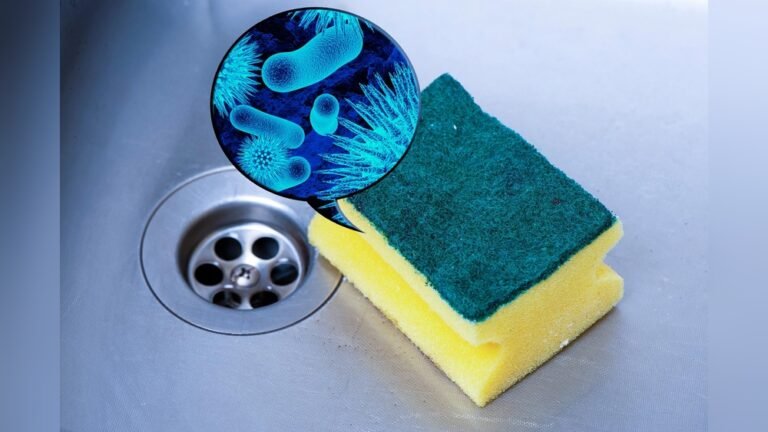
Sponges are useful tools but can harbor germs easily. Understanding health and hygiene factors helps keep sponges safe. Proper care reduces risks of mold and bacteria growth. Clean sponges protect your home and family from illness.
Mold And Bacteria Prevention
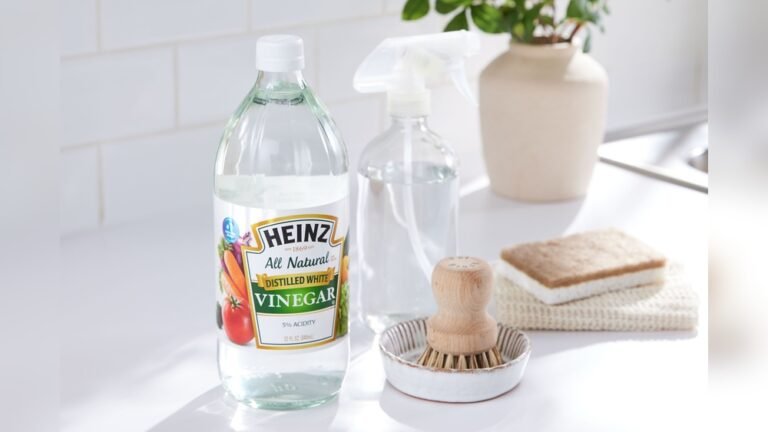
Mold and bacteria grow quickly on damp sponges. Always rinse sponges well after use. Squeeze out excess water to keep them dry. Avoid leaving sponges in the sink or on wet surfaces. Regularly disinfect sponges by microwaving or soaking in bleach. Replace sponges often to prevent germ buildup.
Proper Storage Tips
Store sponges in a dry, well-ventilated area. Use a sponge holder that drains water completely. Avoid closed containers where moisture stays trapped. Keep sponges away from kitchen sprays and splashes. Dry sponges do not allow bacteria to multiply. Proper storage extends sponge life and hygiene.
Choosing The Healthiest Sponge
Natural sponges made from cellulose or plant fibers resist bacteria better. Synthetic sponges can trap more germs inside. Look for sponges labeled antimicrobial or biodegradable for better hygiene. Avoid sponges with dyes or harsh chemicals that irritate skin. Choose sponges that dry quickly and are easy to clean.
Credit: www.hunker.com
Environmental Impact
Sponges impact the environment in many ways. Choosing the right type can reduce harm. Understanding these effects helps make better decisions for our planet.
Plastic Pollution From Traditional Sponges
Most traditional sponges are made from plastic materials. These plastics do not break down easily in nature. They add to the growing problem of plastic pollution.
Plastic sponges release microplastics into water systems. These tiny particles harm aquatic life and ecosystems. They also enter the food chain, affecting animals and humans.
Biodegradability Benefits
Biodegradable sponges come from natural fibers like cellulose or wood pulp. These materials break down quickly after disposal. They reduce waste and lessen the burden on landfills.
Natural sponges support a healthier environment by decomposing without harmful residues. They help keep soil and water clean. Biodegradability is a key feature in eco-friendly sponge options.
Supporting Ethical And Sustainable Practices
Choosing sponges made from renewable resources supports ethical businesses. Many natural sponge producers use sustainable harvesting methods. These methods protect marine life and ecosystems.
Supporting sustainable sponge brands encourages better practices in manufacturing. It also promotes awareness about environmental protection. Consumers play a vital role in driving this positive change.
Innovations In Sponge Design
Innovations in sponge design have transformed everyday cleaning tools into smarter, more efficient helpers. Manufacturers focus on improving materials and functionality. These advances aim to boost performance and extend the sponge’s life. Modern sponges now offer better absorbency, durability, and versatility than before.
Proprietary Polymer Foams
Many sponges use special polymer foams made through unique formulas. These proprietary foams create a fine network of pores. This structure traps dirt and liquids effectively. It also resists breaking down during heavy use. The foam feels soft yet strong, making cleaning easier and more comfortable.
Enhanced Absorbency And Durability
New sponge designs focus on soaking up more liquid quickly. They hold water longer without falling apart. Advanced materials help sponges maintain shape after many uses. This prevents crumbling and tearing during tough scrubbing jobs. Improved durability means fewer sponges get thrown away, saving money and reducing waste.
Multi-purpose Cleaning Solutions
Today’s sponges serve many cleaning needs beyond just washing dishes. Some feature dual layers with different textures. One side scrubs stubborn grime, while the other wipes surfaces gently. Others include antimicrobial treatments to reduce bacteria growth. These multi-purpose sponges help keep kitchens and bathrooms cleaner with less effort.

Credit: naroa.com
Frequently Asked Questions
Are All Sponges Made Of Plastic?
Not all sponges are made of plastic. Natural sponges come from sea animals, while synthetic ones use plastic materials.
Is Sponge Harvesting Ethical?
Sponge harvesting can be ethical if done sustainably, allowing sponges to regenerate naturally. Responsible harvesting supports marine ecosystems and reduces plastic waste. Choosing natural sea sponges promotes eco-friendly practices that protect ocean biodiversity and encourage environmental health.
How Do Sponges Not Get Moldy?
Sponges resist mold by drying quickly after use. Keeping them dry prevents bacteria and mold growth. Regular cleaning also helps.
What Is The Healthiest Sponge To Use?
The healthiest sponges are biodegradable ones made from natural fibers like loofah, coconut, or cellulose. They resist mold and reduce plastic waste.
Conclusion
Sponges come from natural fibers or synthetic materials. Natural sponges are made from sea creatures and plant fibers. Synthetic sponges often use plastic-based substances like polyurethane. Choosing natural sponges helps reduce plastic waste and supports the environment. Understanding what sponges are made of helps you make better choices.
Simple materials create sponges that clean effectively every day. Next time you use a sponge, think about its origins. It’s a small step toward a greener lifestyle.

Hi, I’m Emma Carter, a passionate home cook with over 12 years of hands-on experience in home kitchens. I love testing kitchen tools, trying new recipes, and helping everyday cooks make smarter buying decisions. Every review and guide I write is based on real cooking experience, practical testing, and honest opinions, not marketing claims.