Separating Machine Eggs: A Complete Guide for Beginners
Eggs are an essential part of many foods, from cakes to noodles. In big kitchens or food factories, separating eggs quickly is important. Machines now do this job, saving time and reducing mistakes. If you want to understand separating machine eggs, this article will help. We’ll explain how these machines work, their benefits, how to choose the right one, and common mistakes people make. Let’s explore the world of egg separation and make the process easy for you.
What Are Separating Machine Eggs?
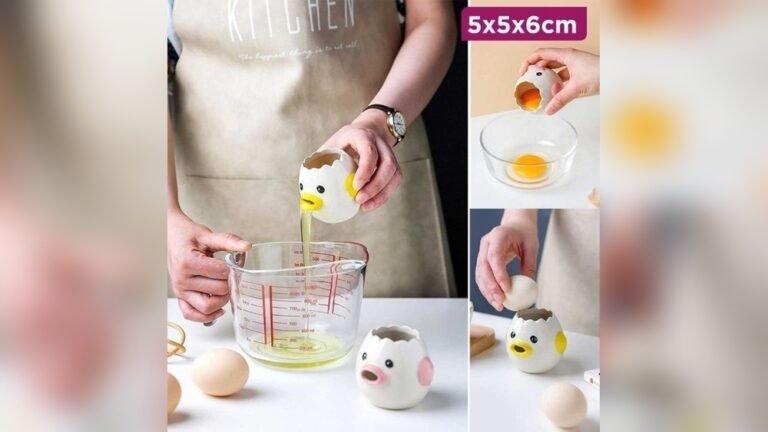
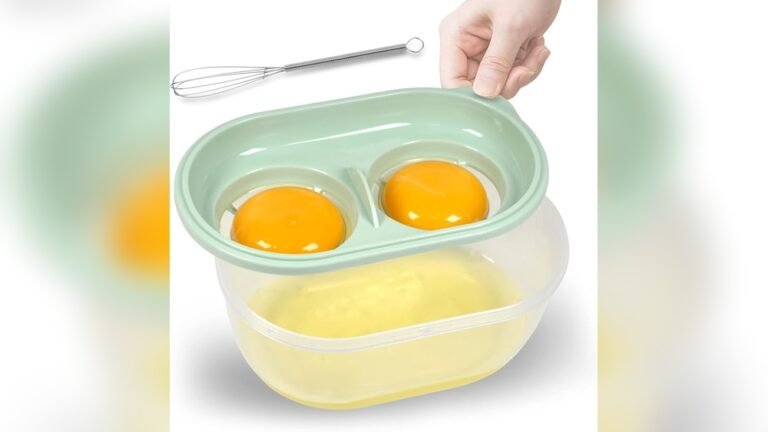
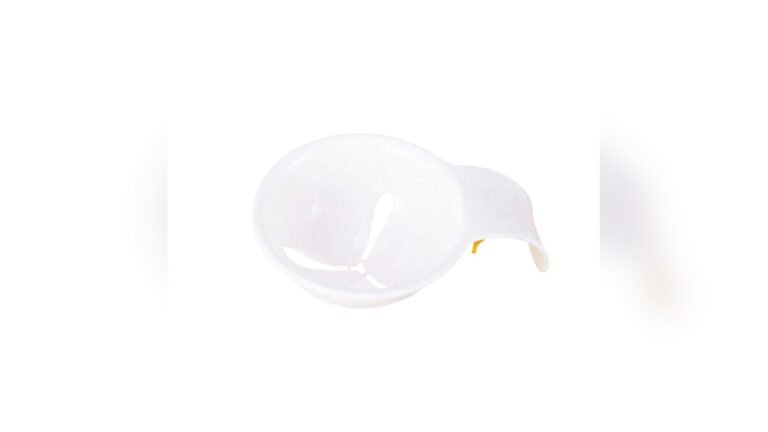
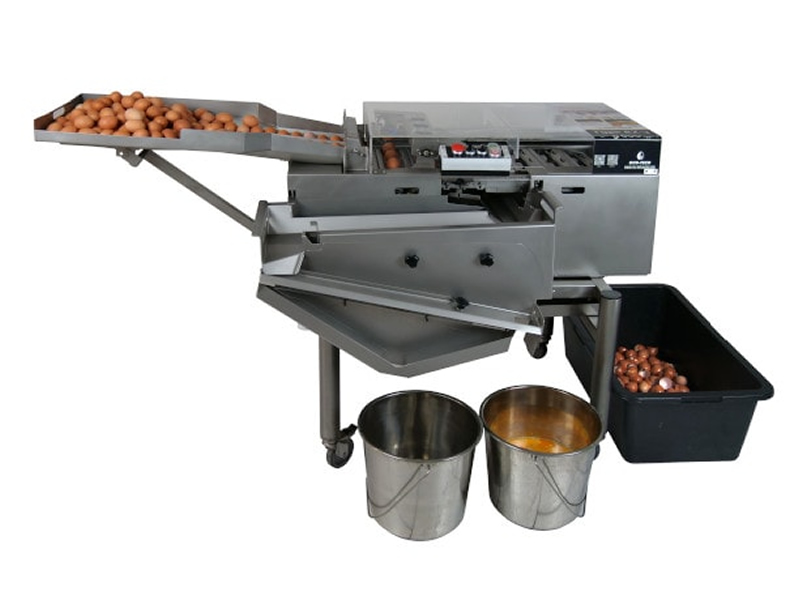
When people say separating machine eggs, they usually mean using a machine to separate egg whites from yolks. This is common in bakeries, factories, and restaurants where large amounts of eggs are needed. Instead of breaking each egg by hand and separating the parts, a machine does it automatically.
Egg separating machines have become popular since they make the process faster and cleaner. Some machines can separate hundreds or even thousands of eggs per hour. They are used in places making mayonnaise, cake mixes, or egg noodles.
How Egg Separating Machines Work
Egg separating machines use different methods to separate the egg yolk and egg white. Here’s a simple explanation:
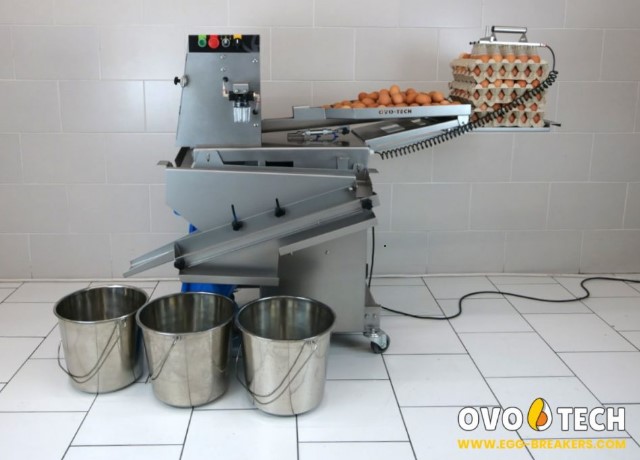
- Eggs are placed in the machine, usually on a conveyor belt.
- The machine cracks each egg.
- The contents are dropped onto a separator tray or filter.
- The egg white flows through small holes or slots.
- The yolk stays on top or is picked up by a special spoon or suction tool.
Some machines use gentle suction to lift the yolk, while others rely on gravity and filters. Advanced machines can detect broken yolks and remove them automatically.
Types Of Egg Separating Machines
Egg separating machines come in several types:
- Manual machines: Require some human action, like placing eggs or moving trays.
- Semi-automatic machines: Combine manual steps with automatic separation.
- Fully automatic machines: Handle cracking, separating, and collecting without human help.
Here’s a quick comparison:
| Type | Capacity (eggs/hour) | Ease of Use | Best For |
|---|---|---|---|
| Manual | 100–300 | Simple, but slow | Small bakeries |
| Semi-automatic | 500–1,000 | Moderate | Medium-sized kitchens |
| Fully automatic | 2,000+ | Very easy | Large factories |
Benefits Of Using Egg Separating Machines
There are many reasons people use egg separating machines instead of doing it by hand:
- Saves time: Machines can separate many eggs quickly.
- Reduces waste: Less chance of mixing yolk and white.
- Improves hygiene: Less contact with hands means cleaner eggs.
- Consistent quality: Each egg is separated in the same way.
- Labor savings: Fewer workers needed for egg processing.
Real-world Example
A bakery that makes cakes every day used to spend 2 hours separating eggs by hand. After buying a semi-automatic machine, they reduced this time to 20 minutes. Staff could focus on baking instead of separating eggs.
Step-by-step Guide: Using An Egg Separating Machine
If you are new to egg separating machines, follow these basic steps:
- Choose fresh eggs: Old eggs break easily and yolks may mix with whites.
- Set up the machine: Make sure all trays and containers are clean.
- Place eggs in the holder: Don’t overload. Space them evenly.
- Start the machine: Follow the instructions in the manual.
- Monitor separation: Watch for broken yolks or shell fragments.
- Collect whites and yolks: Use clean containers for each.
- Clean the machine: After use, wash all parts to avoid bacteria.
Most machines have a cleaning cycle, but manual cleaning is still needed for best results.
Credit: www.drinkfreshlysqueezed.com
Pro Tips For Better Egg Separation
Here are expert tips that can make your egg separation process smoother:
- Use room temperature eggs. Cold eggs can crack unevenly, causing yolks to break.
- Always check for shell fragments. Even small pieces can ruin recipes.
- If possible, use machines with yolk detection sensors. These can spot broken yolks fast.
- Clean the machine after each use. Egg residue can cause bacteria and affect taste.
- If your recipe needs only whites or yolks, separate small batches first to check quality.
A non-obvious insight: Many beginners forget to adjust the machine for different egg sizes. Large eggs may break differently than small ones, leading to mixed yolks and whites.
Common Mistakes To Avoid
Even with good machines, mistakes can happen. Here are some to watch out for:
- Using old or cracked eggs: These are more likely to mix yolk and white.
- Not cleaning the machine: Leftover egg can cause bacteria or bad smells.
- Overloading the machine: Causes jams and breaks more eggs.
- Ignoring broken yolks: Machines can’t always catch every broken yolk. Always check output.
- Forgetting to check settings: Some machines need adjustments for egg size or speed.
Another mistake beginners make is assuming all eggs are the same. In reality, different brands and sources may have thicker shells or softer yolks. It’s important to test your eggs before running a big batch.
Buying Guide: Choosing The Right Egg Separating Machine
If you want to buy an egg separating machine, here’s what you need to know:
Key Factors To Consider
- Capacity: How many eggs do you need to separate per hour?
- Type: Manual, semi-automatic, or fully automatic.
- Size: Will it fit in your kitchen or factory?
- Cleaning: Is it easy to clean? Does it have a cleaning cycle?
- Price: Machines range from $200 to $10,000+. Find your budget.
- Warranty and support: Is there after-sales help?
Comparison Of Popular Models (2026 Update)
Here’s a quick look at popular machines:
| Model | Capacity | Price (USD) | Automation | Cleaning Ease |
|---|---|---|---|---|
| EggMaster 100 | 500 eggs/hour | 1,200 | Semi-automatic | Good |
| ProEgg Separator | 2,000 eggs/hour | 5,000 | Fully automatic | Excellent |
| SimpleEgg Splitter | 250 eggs/hour | 350 | Manual | Moderate |
Common Buyer Mistakes
- Buying too small: If you plan to grow, get a machine with higher capacity.
- Ignoring cleaning: Machines that are hard to clean waste time and risk hygiene.
- Not checking warranty: Machines can break. Always check support options.
- Focusing only on price: Cheap machines may break more eggs or mix yolks and whites.
An important tip: Ask for a demo or sample run before buying. Some sellers will show you how the machine works with your eggs.
Subtle Affiliate Advice
If you’re looking for a tool, a reliable egg separator machine is worth it. Brands like EggMaster and ProEgg have good reviews, but always compare features and prices. Use trusted sellers and check for after-sales support. Sometimes, renting a machine is better than buying, especially for seasonal production.
You can find more information on food machinery at Wikipedia.
Credit: www.gidamak.com
Maintenance And Safety Tips
Egg separating machines last longer and work better with proper care. Here’s how:
- Clean after every use with warm water and mild soap.
- Check moving parts for wear or damage.
- Lubricate as recommended by the manufacturer.
- Keep the machine dry to avoid rust.
- Train staff to use the machine safely.
Never use harsh chemicals or metal brushes, as these can damage the machine’s surfaces.
Egg Separation In The Food Industry
Egg separating machines are not just for bakeries. They are used in:
- Pasta factories: Only egg yolks are used for golden noodles.
- Mayonnaise producers: Need pure yolks for creaminess.
- Fitness food companies: Egg whites are used for protein drinks.
Large factories rely on fully automatic machines to meet strict hygiene and quality rules. Accurate separation is important because even a small amount of yolk in egg whites can ruin recipes.
Data On Industrial Use
In 2025, global demand for processed eggs reached 18 million tons. About 60% of eggs were separated by machines, up from 50% in 2020. This shows how important machines are becoming in the food industry.

Credit: wmmachinery.com
Environmental Impact And Sustainability
Egg separating machines can help reduce waste. By separating eggs cleanly, less product is lost. Some machines are made from recycled materials and use less energy. Look for machines with energy-saving modes and eco-friendly designs.
Factories are switching to machines that recycle water used for cleaning and reduce power use. This not only saves money but also helps the environment.
Frequently Asked Questions
What Is An Egg Separating Machine?
An egg separating machine is a device that cracks eggs and separates the yolk from the white. It’s used in bakeries, factories, and kitchens to save time and improve quality.
How Many Eggs Can A Machine Separate Per Hour?
It depends on the model. Manual machines can handle 100–300 eggs/hour, while fully automatic machines can do 2,000 or more. Choose based on your needs.
Are Egg Separating Machines Safe To Use?
Yes, if you follow the instructions and keep the machine clean. Modern machines have safety features to protect users from moving parts.
Can Machines Separate Eggs Of Different Sizes?
Most machines can handle standard egg sizes, but you may need to adjust settings for very large or small eggs. Test with your eggs before running a big batch.
How Do I Clean An Egg Separating Machine?
Turn off and unplug the machine first. Remove trays and parts, wash with warm water and soap, and let them dry completely before reassembling.
Final Thoughts
Egg separating machines are changing how food is made, from small bakeries to big factories. They save time, improve quality, and reduce waste. If you work with eggs often, investing in a good machine makes sense. Remember to check capacity, cleaning ease, and warranty before buying.
With the right machine and proper care, you can make your kitchen or factory run more smoothly and efficiently.
Hi, I’m Emma Carter, a passionate home cook with over 12 years of hands-on experience in home kitchens. I love testing kitchen tools, trying new recipes, and helping everyday cooks make smarter buying decisions. Every review and guide I write is based on real cooking experience, practical testing, and honest opinions, not marketing claims.