Best Sandwich Bread Recipe for Bread Machine – Easy & Soft
Nothing beats the taste and smell of freshly baked sandwich bread. If you own a bread machine, you’re already halfway to enjoying soft, flavorful bread that makes every sandwich better. But not every bread machine recipe creates the perfect loaf for sandwiches. Some are too dense, too crumbly, or dry out by the next day. This guide brings you the best sandwich bread recipe for bread machine use—tested, reliable, and designed for results you can be proud of. You’ll also find smart tips, troubleshooting advice, and expert comparisons, so you can bake like a pro even if you’re new to bread machines.
What Makes A Great Sandwich Bread?
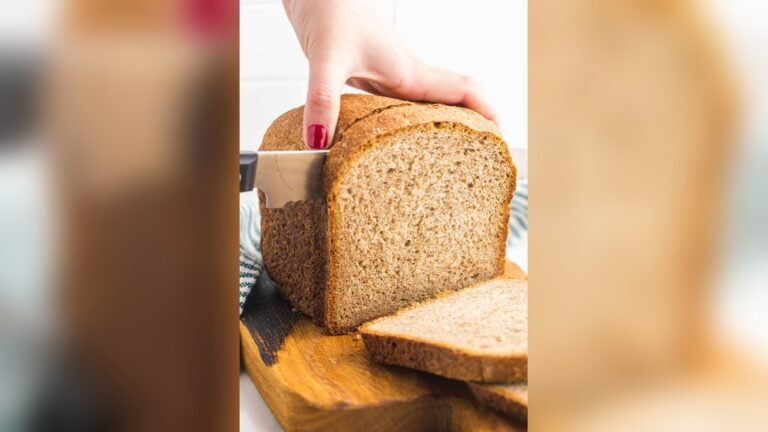
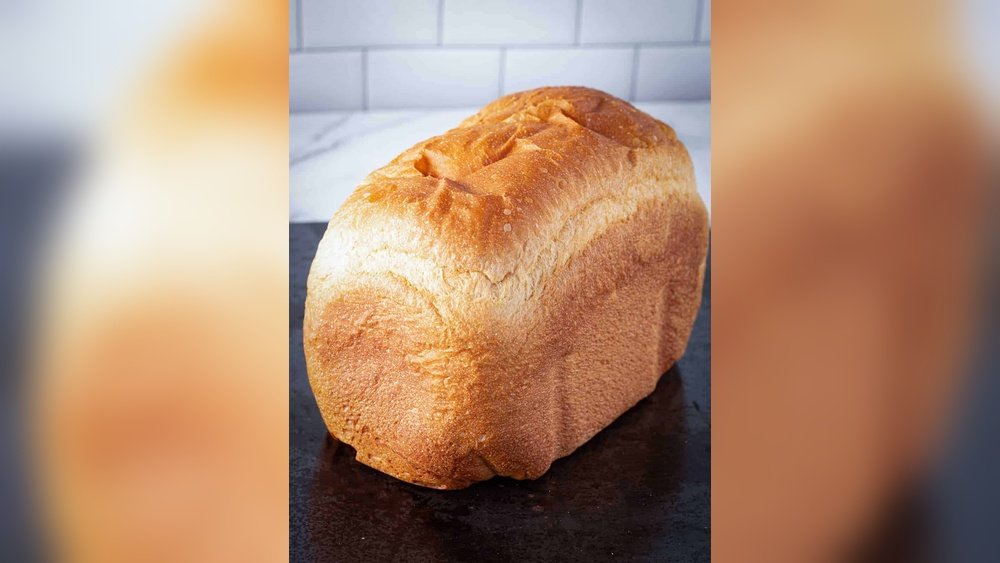
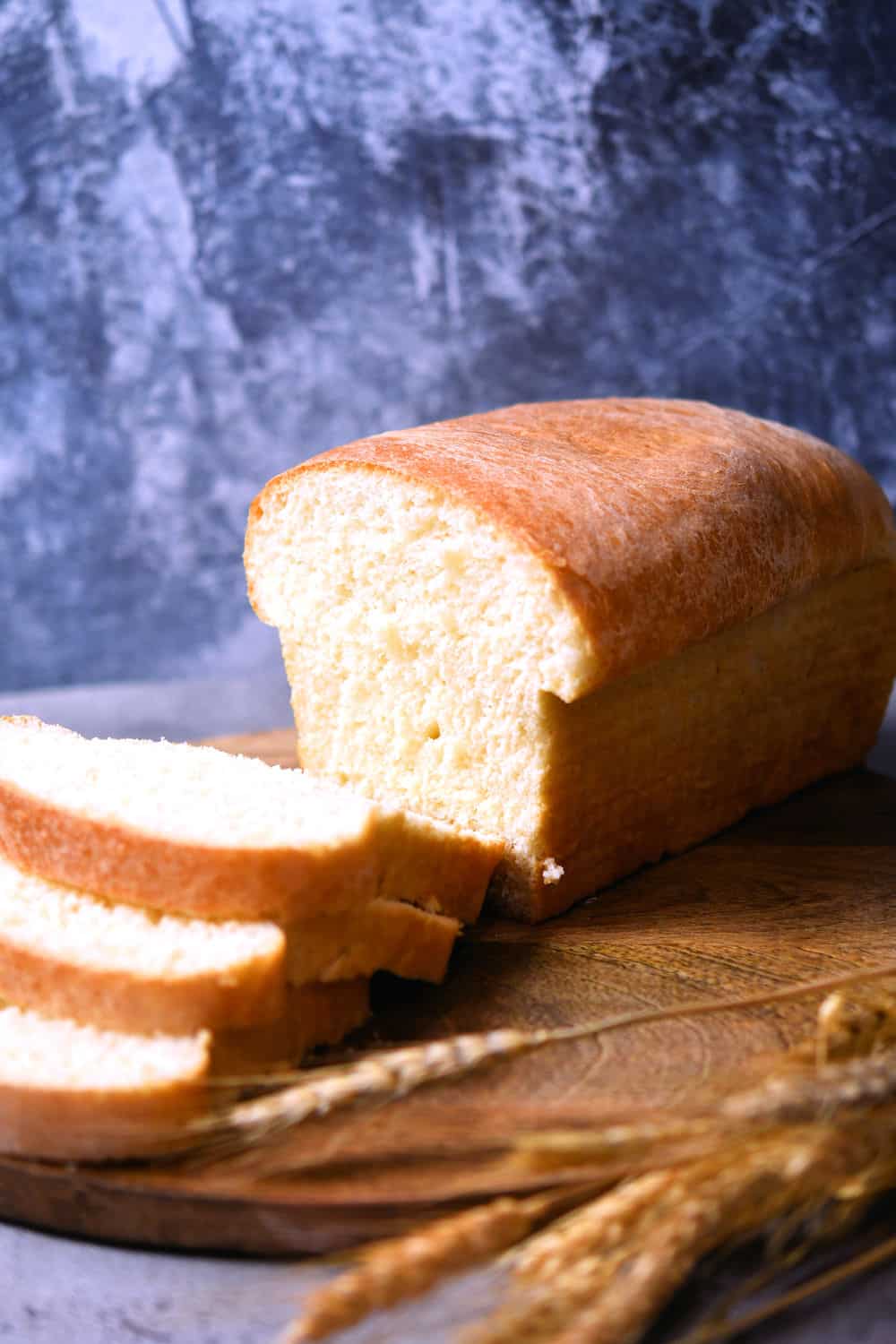
Sandwich bread needs a soft yet sturdy texture. It should be light enough for easy biting, but strong enough to hold spreads, meats, and veggies without falling apart. The best sandwich bread also stays fresh for several days, slices evenly, and has a mild, slightly sweet flavor that pairs well with both savory and sweet fillings.
Here’s what you should look for:
- Soft crumb: A tender, even texture, not too airy or dense.
- Uniform slices: The loaf should hold together for neat sandwiches.
- Mild taste: No overpowering flavors; a gentle hint of sweetness is ideal.
- Golden crust: Not too thick or hard, easy to bite and chew.
Some bread machine recipes miss one or more of these marks. That’s why this recipe is adjusted for the best sandwich experience.
Why Use A Bread Machine?
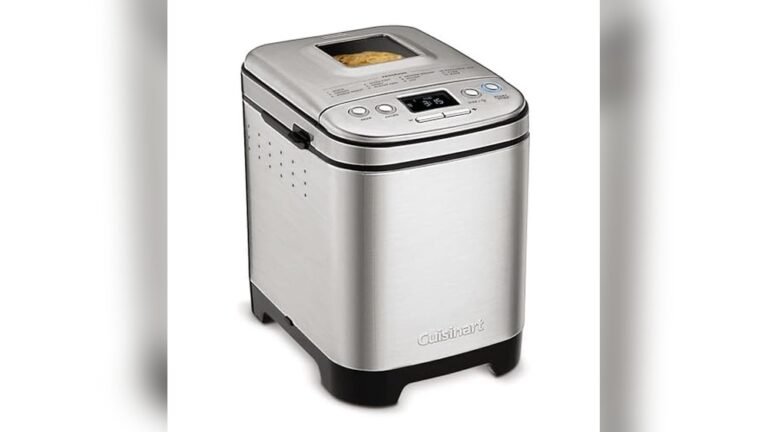
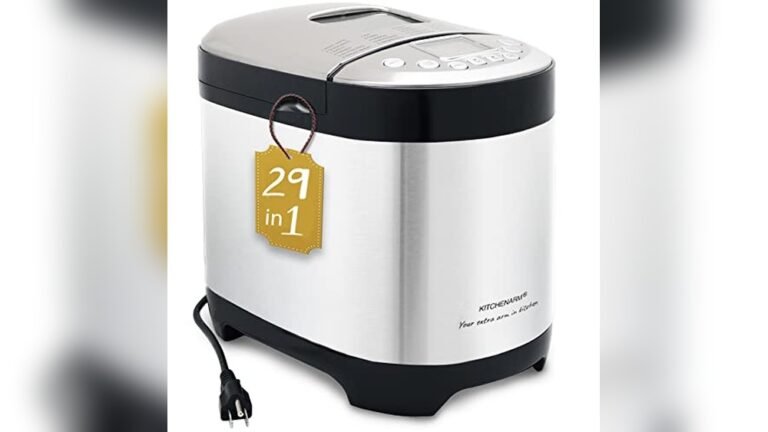
Bread machines are popular for a reason. They make baking fresh bread simple, even for beginners. You just measure ingredients, press a few buttons, and let the machine do the rest. Bread machines handle mixing, kneading, rising, and baking, delivering consistent results with less effort.
Key benefits:
- Time-saving: No hand kneading or watching dough rise.
- Consistent results: The machine controls temperature and timing.
- Less mess: Fewer bowls and utensils to clean.
- Versatile: Many machines offer settings for white, whole wheat, and even gluten-free breads.
With the right recipe, your bread machine can create bakery-quality sandwich bread at home.
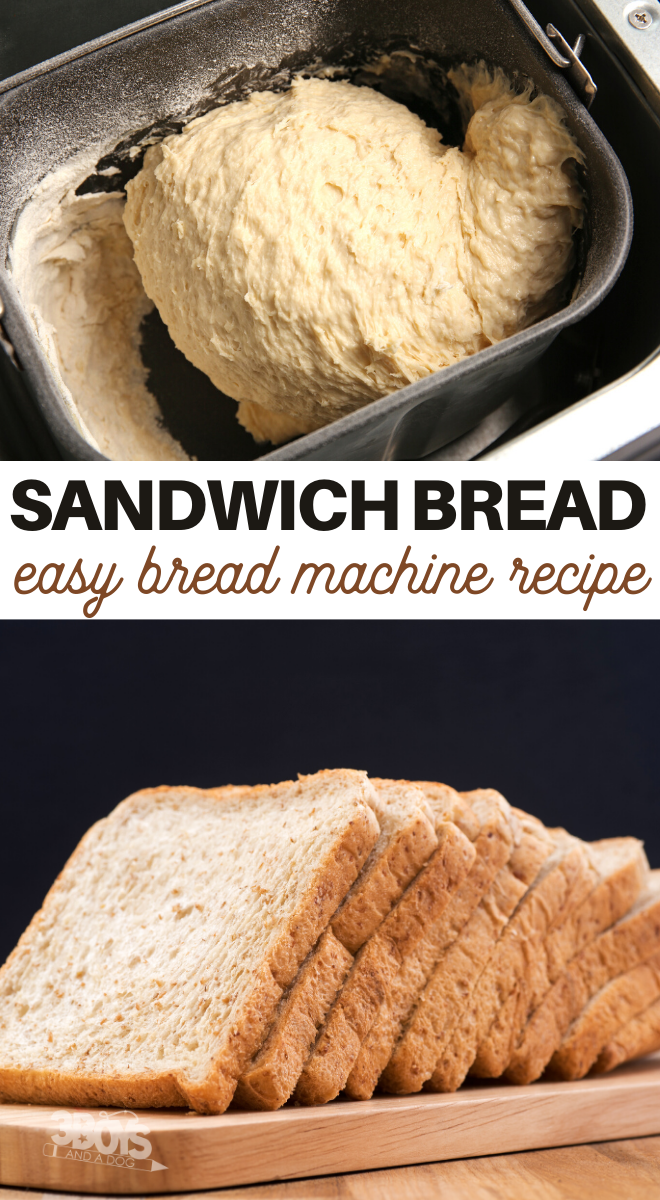
Credit: 3boysandadog.com
Essential Ingredients And Their Roles
Understanding each ingredient helps you get the best loaf every time. Here’s what you’ll need:
- Bread flour (3 cups): Higher protein than all-purpose flour, creates structure and chew.
- Warm water (1 cup, 110°F): Activates yeast and hydrates flour.
- Dry milk powder (2 tbsp): Adds softness and subtle flavor.
- Granulated sugar (2 tbsp): Feeds yeast, gives slight sweetness.
- Salt (1.5 tsp): Strengthens gluten, balances flavor.
- Unsalted butter (2 tbsp, softened): Adds richness, keeps bread moist.
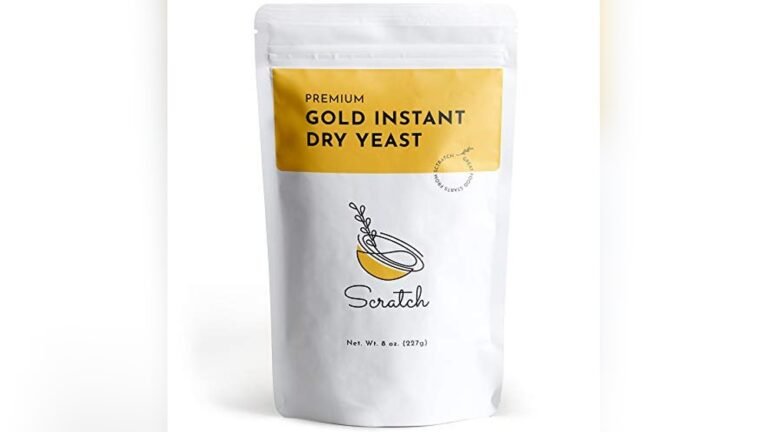
- Instant yeast (2 tsp): Quick rise, reliable performance.
Why these ingredients work:
- Bread flour is essential for structure. All-purpose flour can be used in a pinch, but the loaf will be less chewy.
- Dry milk powder isn’t just for taste; it helps the bread stay soft for days.
- Butter makes the crumb tender and prevents drying.
- Sugar and yeast work together for a consistent rise.
The Best Sandwich Bread Recipe For Bread Machine
Follow these steps for a perfect sandwich loaf every time:
Ingredients (for A 1.5-pound Loaf)
- 1 cup (240 ml) warm water (about 110°F)
- 2 tablespoons (25 g) dry milk powder
- 2 tablespoons (25 g) granulated sugar
- 2 tablespoons (30 g) unsalted butter, softened
- 1.5 teaspoons (9 g) salt
- 3 cups (390 g) bread flour
- 2 teaspoons (7 g) instant yeast
Instructions
- Add the warm water to your bread machine pan.
- Sprinkle in the dry milk powder and sugar.
- Add the softened butter in small pieces.
- Add the salt and then the bread flour, covering the liquid.
- Make a small well in the flour, then add the instant yeast. (This keeps yeast from touching salt or liquid too soon.)
- Insert the bread pan into the machine. Select the “Basic” or “White Bread” setting, choose medium crust, and press start.
- When the cycle ends, remove the bread immediately to a wire rack. Cool at least 30 minutes before slicing.
Tips For Best Results
- Weigh your flour for accuracy. Too much flour leads to dense bread.
- Check the dough after 10 minutes of kneading. If it’s too dry, add water 1 teaspoon at a time.
- Room temperature matters: Cold rooms slow the rise; warm rooms speed it up.
- Use fresh yeast: Old yeast can cause flat loaves.

Credit: breaddad.com
Ingredient Substitutions And Variations
If you need to adjust the recipe, here’s what works—and what doesn’t.
| Ingredient | Substitution | Effect on Bread |
|---|---|---|
| Bread flour | All-purpose flour | Softer, less chewy loaf |
| Dry milk powder | Omit or use fresh milk instead of water | Less soft, more bland flavor |
| Butter | Vegetable oil or margarine | Slightly different taste, still soft |
| Instant yeast | Active dry yeast | May need longer rise; dissolve in water first |
Whole wheat variation: Replace 1 cup of bread flour with whole wheat flour for a nutty taste. Add an extra tablespoon of water.
Milk bread style: Use half water, half whole milk for extra richness.
Comparing Bread Machine Settings For Sandwich Bread
Not all bread machines have the same cycles. Here’s how common settings affect your sandwich bread:
| Setting | Crust | Texture | Best For |
|---|---|---|---|
| Basic/White | Medium | Even, soft | Everyday sandwich bread |
| French | Crispy | Chewy, airy | Toast, garlic bread |
| Sweet | Soft | Rich, fine crumb | Brioche, sweet rolls |
| Whole Wheat | Medium | Hearty, dense | Wheat sandwich bread |
For classic sandwich bread, the Basic/White cycle is usually best. If your machine offers a “Sandwich” setting, use it—it’s often optimized for a softer crumb and lighter crust.
Credit: 24bite.com
Troubleshooting Common Problems
Even with a good recipe, issues can happen. Here’s how to fix them:
- Bread is too dense: Usually caused by too much flour or not enough water. Weigh your flour and check dough consistency during kneading.
- Bread is too dry or crumbly: Could be overbaking or not enough fat. Use the “light” crust setting and check your butter measurement.
- Loaf is sunken in the middle: Often from using old yeast or too much liquid. Always check yeast expiry and measure liquids precisely.
- Holes in slices: This happens if yeast is too active or rising is too fast. Reduce yeast by 1/4 teaspoon, or use cooler water.
- Crust is too thick: Try the “light” crust setting, or add 1 extra tablespoon of milk powder for a softer crust.
Storage And Slicing Tips
To keep your sandwich bread fresh and easy to slice:
- Cool completely before slicing. Warm bread tears or compresses.
- Use a serrated bread knife for even slices.
- Store in a bread box or wrapped in a clean kitchen towel at room temperature for up to 3 days.
- For longer storage, freeze slices in an airtight bag. Thaw at room temperature or toast straight from the freezer.
Expert tip: Avoid plastic bags for the first 12 hours. They trap moisture and can make the crust soggy. After that, plastic is fine for storage.
Why This Recipe Works
This bread machine recipe balances flour, liquid, and fat to give you a loaf with the right softness and strength. The milk powder and butter keep the bread tender, while the sugar and yeast ensure a good rise and mild flavor. Using instant yeast and the basic setting gives you reliable, repeatable results.
Many beginner bakers miss two things:
- Measuring by weight instead of cups. Small errors can change your loaf texture.
- Checking dough during kneading. If it looks too dry or sticky, add water or flour a little at a time.
These two steps make a big difference, especially in humid or dry climates.
Bread Machine Vs. Oven-baked Sandwich Bread
You might wonder how machine-made bread compares to oven-baked loaves.
| Feature | Bread Machine | Oven-Baked |
|---|---|---|
| Convenience | Very high | Moderate |
| Texture control | Good | Excellent |
| Shape | Square, tall | Customizable |
| Hands-on time | 5 min | 20-30 min |
| Crust options | Limited | Unlimited |
Bread machines win for ease and consistency. Oven-baked breads allow more creativity with shape and crust, but require more skill and effort.
Making Your Sandwiches Even Better
The right bread makes every sandwich better, but here are two extra tricks:
- Let bread cool before slicing: This makes neater cuts and prevents squishing. Many beginners slice too early and get uneven pieces.
- Toast bread lightly: A quick toast adds flavor and prevents sogginess with juicy fillings.
Try this sandwich bread for grilled cheese, deli stacks, or simple PB&J. You’ll notice the difference right away.
Frequently Asked Questions
What If I Don’t Have Dry Milk Powder?
You can leave it out or substitute the water with an equal amount of whole milk. The loaf may be less soft but will still be delicious.
Can I Use Active Dry Yeast Instead Of Instant Yeast?
Yes, but dissolve it in the warm water with a pinch of sugar first. It may need a slightly longer rise. Some bread machines handle both types, but instant yeast is more foolproof.
Why Is My Bread So Dense?
This is often from too much flour or not enough liquid. Always weigh your flour and check the dough’s texture after mixing. It should feel like soft playdough—not sticky, not dry.
How Do I Make This Bread Gluten-free?
You’ll need a gluten-free flour blend and a special recipe. Most gluten-free breads need xanthan gum and more liquid. Check your bread machine manual for gluten-free cycles.
What’s The Best Way To Store Leftover Bread?
Let the loaf cool fully, then store in a bread box or wrapped in a towel for up to 3 days. For longer storage, freeze slices in a sealed bag, and toast or thaw as needed.
For more on bread machine recipes and baking science, visit the King Arthur Baking Company.
With this recipe and guide, you’re ready to bake sandwich bread that’s soft, tasty, and perfect every time. Enjoy every slice!

Hi, I’m Emma Carter, a passionate home cook with over 12 years of hands-on experience in home kitchens. I love testing kitchen tools, trying new recipes, and helping everyday cooks make smarter buying decisions. Every review and guide I write is based on real cooking experience, practical testing, and honest opinions, not marketing claims.