How to Separate Mealworm Babies and Eggs
Mealworms are becoming more popular for home breeding, animal feed, and even sustainable food. But when you start raising mealworms, you quickly see a problem: the tiny eggs and baby mealworms are hard to spot and even harder to separate. Doing this right helps your colony grow faster and healthier. This guide will show you everything you need to know to separate mealworm babies and eggs successfully, with simple steps, useful tips, and common mistakes to avoid.
Why Separate Mealworm Eggs And Babies?
If you want a strong mealworm colony, separating the eggs and baby mealworms from adults and beetles is important. Here’s why:
- Protecting eggs: Adult beetles often eat their own eggs. Moving them prevents loss.
- Faster growth: Eggs and babies need softer food and a safe environment. Separation helps them grow quicker.
- Disease control: Less crowded conditions reduce chances of mold or mites.
- Higher yield: You get more mealworms for pet food, bird feed, or other uses.
Many beginners miss these benefits and end up with smaller, weaker colonies. Understanding separation can make your mealworm farm much more successful.
What Do Mealworm Eggs And Babies Look Like?
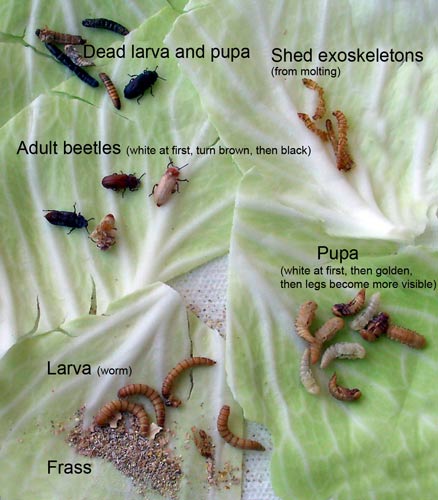
Mealworm eggs are tiny, white, and oval-shaped. They are usually about 1–2 mm long. You’ll find them mixed in the bedding or substrate, often stuck to small food particles.
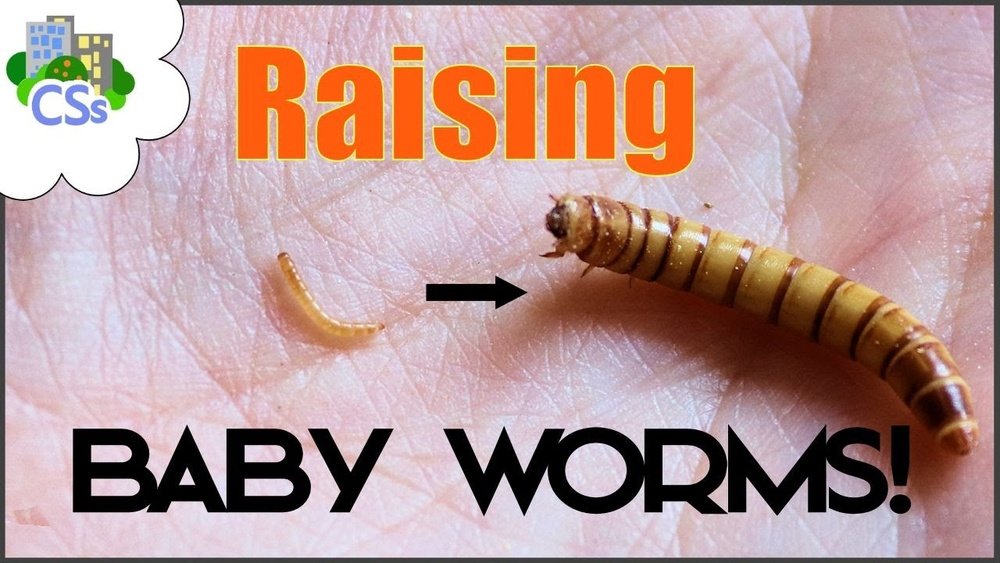
Baby mealworms (also called larvae) are:
- Very small (2–3 mm)
- Light-colored (almost transparent)
- Hard to see without a magnifying glass
Often, eggs and babies blend in with the bedding. This makes separation a challenge for new breeders.
Visual Differences
Here’s a comparison to help you identify them:
| Stage | Size | Color | Location |
|---|---|---|---|
| Egg | 1–2 mm | White | In bedding, stuck to food |
| Baby (Larva) | 2–3 mm | Light brown/translucent | Under bedding, near food |
Benefits Of Separating Mealworm Eggs And Babies
Separating these stages gives you several advantages:
- Increases survival rate: Fewer eggs get eaten or damaged.
- Improves growth speed: Babies grow faster in ideal conditions.
- Reduces disease risk: Cleaner, less crowded spaces mean healthier mealworms.
- Maximizes output: You get more mealworms for your needs.
In short, you save time and resources by keeping eggs and babies safe.
Step-by-step Guide: How To Separate Mealworm Babies And Eggs
1. Prepare Your Tools And Workspace
You don’t need expensive gear. For beginners, simple tools work well:
- Sifting trays or mesh screens (with holes 1–2 mm wide)
- Plastic containers or bins (for new colonies)
- Magnifying glass (optional)
- Soft brush (for gentle moving)
- Tweezers (optional for picking eggs)
A good sifting tray is worth investing in. Look for ones with smooth edges that don’t damage eggs or larvae.
2. Separate Adult Beetles First
Adults are the main risk to eggs. Remove them from the colony:
- Pick up beetles using a soft brush or tweezers.
- Move them to a new container with fresh bedding.
- Do this every 1–2 weeks for best results.
This step prevents most egg loss.
3. Sift Bedding To Find Eggs And Babies
Using your sifting tray:
- Pour bedding gently onto the tray.
- Shake the tray lightly. Eggs and babies drop through; bigger pieces stay on top.
- Collect the sifted material into a clean container.
If you see clumps, break them up with your fingers. Be gentle—eggs are fragile.
4. Check For Eggs And Babies
Look closely at the sifted material. Use a magnifying glass if needed.
- Eggs are usually stuck to small particles.
- Babies crawl slowly and may hide.
Pick out any visible eggs or babies using tweezers or a brush.
5. Move Eggs And Babies To A Safe Container
Prepare a small container with soft bedding (like wheat bran or oatmeal). Add the eggs and baby mealworms.
- Keep bedding dry and loose.
- Add a small slice of carrot or potato for moisture.
- Cover lightly to protect from pests.
Keep this container away from adult beetles.
6. Repeat Every Few Weeks
Regular separation keeps your colony strong.
- Sift and separate every 1–2 weeks.
- Clean containers to prevent mold.
This routine can double your mealworm output in a few months.
Common Mistakes When Separating Mealworm Eggs And Babies
Many beginners make these errors:
- Using rough tools: Sharp edges can crush eggs.
- Not separating often enough: Adults eat eggs quickly.
- Letting bedding get wet: Mold can kill eggs and babies.
- Overcrowding: Too many eggs and larvae in one container lead to poor growth.
Avoid these mistakes for better results.
Pro Tips For Mealworm Separation
Experienced breeders use these tricks:
- Use layered trays: Stack trays with different mesh sizes. Top tray holds beetles, middle tray collects eggs, bottom tray gathers babies.
- Mark containers: Label each container with date and stage. It helps track progress.
- Rotate adult beetles: Move beetles to new bedding every week. This keeps fresh eggs coming.
- Keep records: Write down how many eggs and babies you collect. Spot trends and improve your process.
One insight many miss: The best time to separate is early morning. Mealworm eggs are most visible when bedding is dry and light. Also, don’t toss out old bedding too quickly—some eggs take longer to hatch.
What Bedding Works Best For Mealworm Eggs And Babies?
Not all bedding is equal. Here’s a comparison:
| Bedding Type | Egg Survival | Baby Growth | Mold Risk |
|---|---|---|---|
| Wheat bran | High | Good | Low |
| Oatmeal | Medium | Good | Medium |
| Flour | Low | Poor | High |
Wheat bran is best for both eggs and babies. It stays dry, is easy to sift, and supports healthy growth.
Credit: www.sialis.org
Where To Buy Mealworm Separation Tools
You’ll find tools at pet stores, online retailers, and specialty sites. Look for:
- Sifting trays
- Mesh screens
- Plastic containers
A good-quality tool makes separation easier and faster. For example, custom mealworm trays are available on Amazon and other trusted suppliers.
If you want to build your own, choose food-safe materials and smooth edges. Avoid metal trays with sharp mesh.
Subtle Affiliate Recommendation
If you’re serious about breeding mealworms, consider investing in a mealworm sifting kit. These kits often include multiple trays, brushes, and containers. While you can use household items, a dedicated kit saves time and increases your yield. Check trusted sites like Wikipedia for up-to-date reviews and tips.
Practical Examples And Data
Let’s look at a real-life example:
A beginner breeder started with 200 adult beetles. Before separating eggs, they got about 250 new mealworms every month. After weekly separation, output jumped to over 600 per month. That’s a 140% increase!
Another tip: If you’re raising mealworms for pet food or reptile feed, regular separation gives you more consistent sizes—important for feeding small animals.
Common Questions About Separating Mealworm Eggs And Babies

Credit: www.reddit.com
Frequently Asked Questions
How Often Should I Separate Mealworm Eggs And Babies?
For best results, separate every 1–2 weeks. This keeps eggs safe from adults and gives babies a clean start.
Can I Use A Regular Kitchen Sieve For Separation?
Yes, a kitchen sieve works for small colonies. Make sure the holes are 1–2 mm wide. For bigger colonies, specialized sifting trays are better.
What Is The Best Bedding For Eggs And Baby Mealworms?
Wheat bran is the top choice. It’s dry, easy to sift, and supports healthy mealworm growth.
How Do I Prevent Mold In The Baby Mealworm Container?
Keep bedding dry. Only add small pieces of carrot or potato for moisture. Check daily and remove any moldy food or bedding.
Are Mealworm Eggs Visible To The Naked Eye?
Eggs are tiny but can be seen if you look closely in good light. A magnifying glass helps, especially for beginners.
Final Thoughts
Separating mealworm eggs and babies may seem tricky at first, but with the right tools, steps, and knowledge, anyone can do it. The key is to protect the eggs from adult beetles, use gentle tools, and choose the right bedding.
Regular separation leads to healthier colonies and more mealworms for your needs.
With practice, your mealworm breeding will become faster and easier. Remember to use good-quality sifting trays, keep records, and avoid overcrowding. If you want to grow your colony quickly, follow these steps and tips, and you’ll see better results in just a few weeks.
Happy breeding!

Credit: www.youtube.com

Hi, I’m Emma Carter, a passionate home cook with over 12 years of hands-on experience in home kitchens. I love testing kitchen tools, trying new recipes, and helping everyday cooks make smarter buying decisions. Every review and guide I write is based on real cooking experience, practical testing, and honest opinions, not marketing claims.